API Integration
Use supported application interfaces to exchange data reliably.
- REST and web APIs
- Authentication and security
- Webhook/event processing
- Error handling and retry
When applications do not share the information your business needs, employees become the bridge. Integration can reduce duplicate entry, speed up handoffs, improve data consistency, and make existing software more valuable.
Integration becomes valuable when people are acting as the connection between applications: exporting, importing, re-keying, reconciling, emailing files, or checking multiple systems to understand one transaction.
The same customer, order, inventory, or financial information is entered more than once.
Different systems show different answers and employees have to decide which one is right.
One department waits for another person to export, email, approve, or re-enter data.
CSV, Excel, PDFs, or flat files are moved by hand even though the exchange is predictable.
Customers or employees cannot see information because it lives in a separate system.
Older software still works but cannot easily participate in newer business processes.
Modern APIs are ideal when they exist, but real businesses often have a mix of cloud software, databases, files, older applications, devices, and vendor limitations. We choose the least fragile connection that fits the situation.
Use supported application interfaces to exchange data reliably.
Connect at the data layer when appropriate and safe.
Automate structured exchanges where APIs are unavailable or unnecessary.
Extend the useful life of older systems by connecting them to newer workflows.
Move useful information between software and physical systems.
Treat integration as an operational process, not a one-time script.
The technical connection matters, but the business result is what makes the project worthwhile.
ERP, CRM, accounting, custom software, database, machine, or vendor platform.
Rules, translation, validation, security, scheduling, monitoring, and exception handling.
Less re-entry, faster processing, consistent data, better visibility, and fewer missed steps.
Some products provide clean, well-documented APIs. Others expose only part of the data. Older systems may require database access, scheduled files, vendor exports, middleware, or a carefully designed workaround.
Before committing to an approach, we look at access, data ownership, security, transaction volume, error recovery, vendor restrictions, and what happens when one side is unavailable.
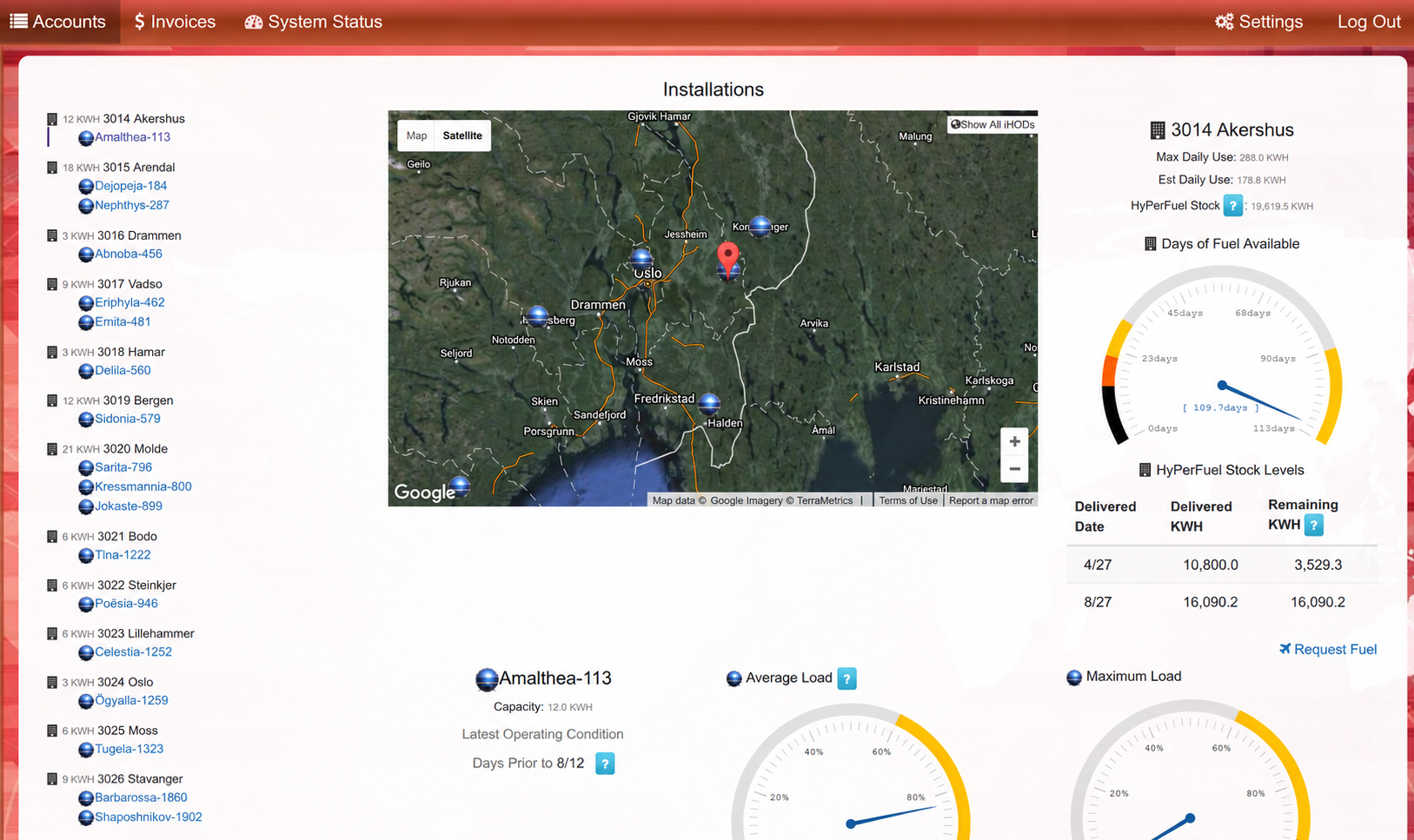
A custom integration can move data between systems automatically, reduce duplicate entry, and help information flow where it needs to go without forcing teams to change the tools they already rely on.
“My experience with the development efforts of Tornado Technologies has been nothing short of outstanding. Tornado’s expertise and professionalism has allowed for a smooth implementation of the Virginia Inspection/Maintenance program. The software developed by Tornado for the New York Inspection/Maintenance program is excellent and has also allowed for a near flawless program implementation. Their commitment to top quality work is what impresses me the most. I very much look forward to working with them on future projects.”
We have connected business applications, databases, cloud products, accounting systems, manufacturing systems, files, and equipment.
Eliminate duplicate entry by moving approved transactions into financial software.
Share orders, status, inventory, and production information across office and shop-floor systems.
Bring information from several sources together for reporting or downstream processing.
Keep a valuable older system while allowing it to participate in newer workflows.
Capture data directly from equipment instead of asking employees to re-key it.
Automate transactions with customer, supplier, logistics, or industry platforms.